Water right changes made under the provisions of a drought declaration expire at the end of the current year unless extended or terminated by the IDWR Director.
Priest Lake, Upper Priest Lake, and the Priest River lie in the northern Idaho panhandle. The lower lake stretches to within 15 miles of the Canada-US border and reaches nearly 370 feet at its deepest point. All three bodies of water draw significant tourism and recreation in the Bonner County area due to an abundance of opportunities for outdoor activities, such as camping, fishing, boating, and more.
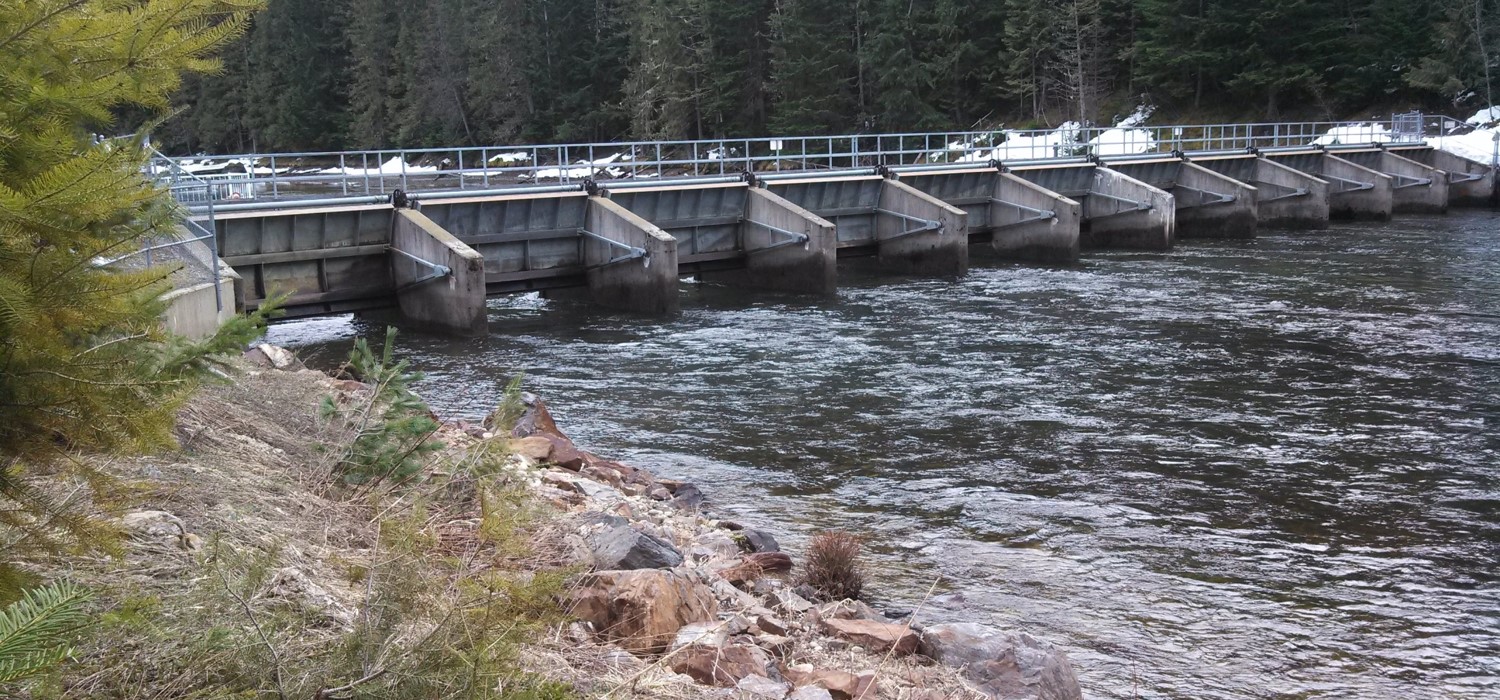
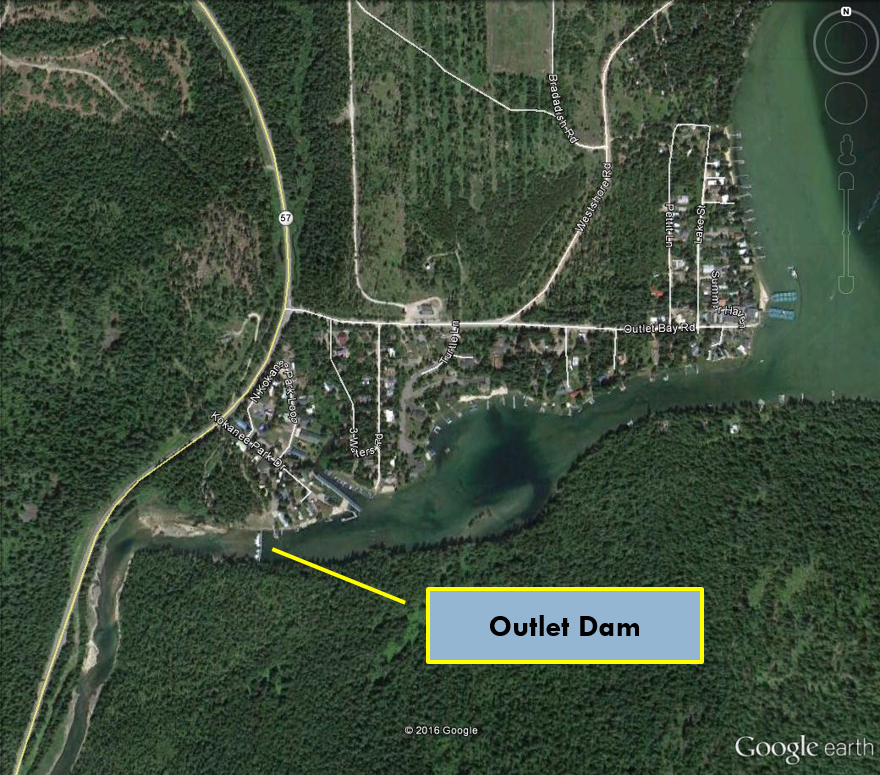
The Idaho Water Resource Board currently owns and operates the Priest Lake Outlet Dam, which is located on the southern tip of Priest Lake. It was built in 1978 and controls the flow of water from Priest Lake into the Priest River. The dam was originally built by the Idaho Department of Water Resources, but 2017 legislature transferred supervision and operational control of the dam to the Idaho Water Resource Board.
Recent construction included an extension to the gates, the addition of an extended concrete apron, and armor stone (riprap). These modifications allow the lake to be raised an additional 6 inches to allow better control of lake levels while simultaneously enabling more water to flow into the Priest River during drought years. The new concrete apron and armor stone provide additional safety measures by increasing frictional resistance and ensuring that the dam is locked in place. This work was completed in 2024.
Current Projects
Piezometer Monitoring Procedure
Monitoring the piezometers, which are pressure sensors located underneath the original dam apron, is critical to prevent damage to the dam. A 20-foot sheet pile wall installed beneath the dam is intended to prevent the flow of water under the dam, thereby preventing lakeside water pressure from exerting an upward force on the dam foundation. Being fabricated from steel, the sheet pile wall is likely to corrode and eventually will no longer be able to prevent lakeside water flowing beneath the dam, which would cause extensive damage to the dam. The piezometers must be monitored for spikes in subsurface pressure, as this would be indicative of a failing sheet pile wall. This will be an evolving and continuous process.
Tributary Flow Measurement
Currently, dam operations are reactionary to precipitation events or changes in inflow to Priest Lake. This can lead to inefficient operation (outflow too fast, outflow too slow, pool elevation too high, pool elevation too low, etc.) and stakeholder complaints. To combat this and operate the dam per best practices, IDWR plans to install and monitor instrumentation at twelve sites: eleven of the highest flow upstream tributaries and one at the dam itself. Analyzing inflow data will enable IDWR staff to improve daily operations and decrease the amount of time to respond to fluctuating conditions within the basin. This process will begin in the spring of 2026.
Buoys
IWRB is currently working to replace the two buoys that lie upstream of the Priest Lake Outlet Dam. The old buoys are leaking, faded, and beyond their usable lifespan. They will be replaced during the summer of 2026 with similar buoys. This will increase safety and deter recreation near the dam.
Notice: do NOT recreate near the dam. It is very dangerous. There is a high risk of drowning.
Fish Screens
Fish screens will be installed on the downstream side of the Tainter gates. This will reduce the possibility of fish getting caught on the gate as they travel upstream. IDWR is currently analyzing solutions, and a prototype has been installed.
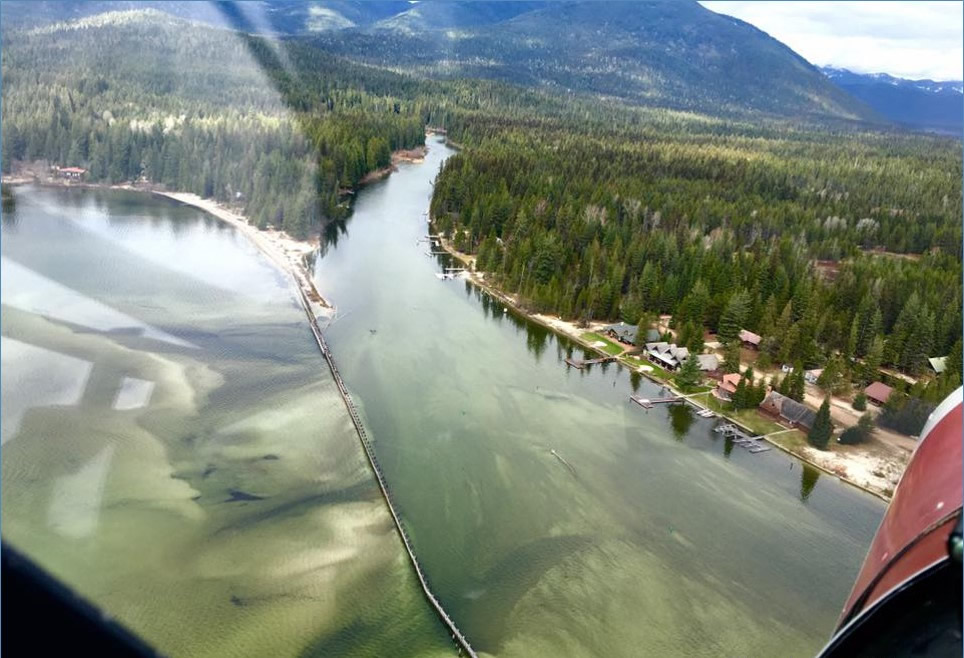
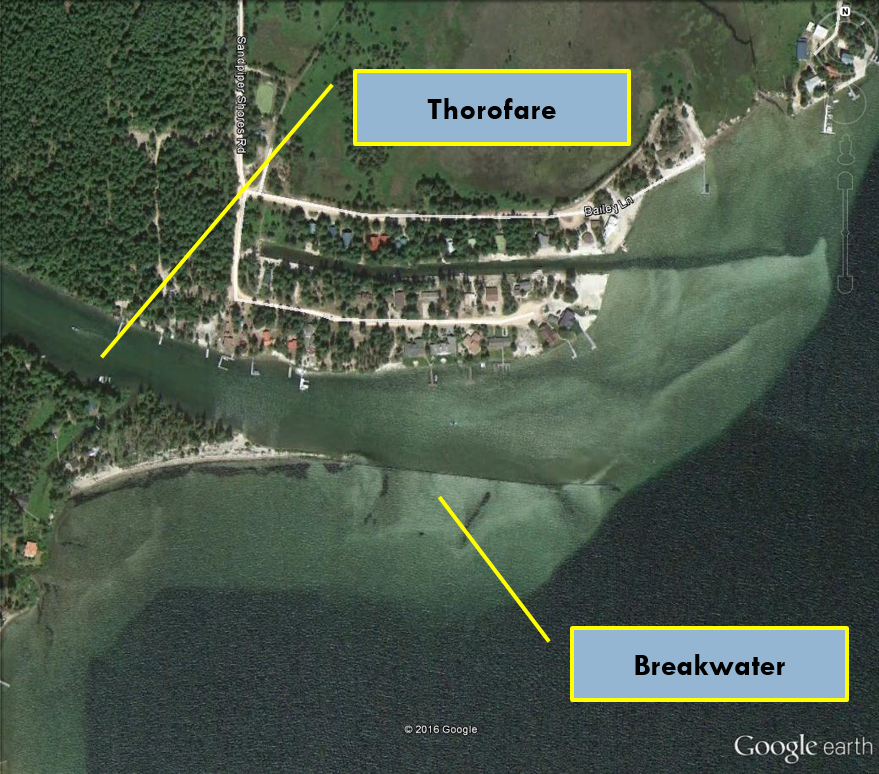
Priest Lake Outlet DamPriest Lake Outlet Dam (satellite view)Priest Lake Thorofare, Courtesy of Sara K. WilliamsPriest Lake Thorofare and Breakwater Structure (satellite view)
Preserving lake levels through the main recreation season to support the local economy, meet current lake level requirements, and avoid negative impacts to downstream river flows.
Maintaining vessel access through the Thorofare channel between Upper Priest Lake and Priest Lake.
What does the study include? The Priest Lake Water Management Study (initiated by IWRB) evaluates opportunities to improve operation of the Priest Lake / Priest River system. It includes:
Evaluating alternatives to maintain recreational lake levels and the 60 cfs minimum discharge downstream of the Priest Lake Outlet Dam.
Assessing potential structural and operational modifications to the dam.
Analyzing options to improve access and navigable conditions in the Thorofare.
Where is the study area? Priest Lake (~18 miles long, >300 ft deep, ~76,000 acre-ft active storage) connects to Upper Priest Lake (~3.3 miles long) via the three-mile “Thorofare.” A 1,400-ft timber breakwater at the lake’s north end manages sediment and provides wave/erosion protection. The Priest Lake Outlet Dam (constructed 1950; current dam from 1978, owned by IDWR) maintains lake levels and manages Priest River flows; it’s ~12 ft high with gated discharge and no emergency spillway. See the printable map and photos: Map & Images and the study map PDF.
How can I get involved with the study? IWRB provides ongoing opportunities (over ~10 months) for stakeholders to respond and comment on options. Check the project site for meeting dates, public comment opportunities, and updates, and contact the Project Team with questions.
What is the background and state law establishing the 60 cfs minimum discharge from the Priest Lake Outlet Dam? When the dam was built in 1950, the State of Idaho and Northern Lights, Inc. executed an O&M agreement setting a 60 cfs minimum discharge during the recreation season. IDWR has operated the dam to meet this minimum since then.
What is the background on the statutory water rights at Priest Lake? In 1927, Water Right License No. 16642 (amended to Water Right 97-2020) was issued to the State of Idaho for preserving water in Priest Lake for scenic beauty, health, and recreation (“Recreation Storage,” 800,000 acre-ft) to maintain levels not above normal high water nor below natural low water. Under Idaho Code §70-507, operations target 3.0 ft at the Priest Lake outlet gage (USGS 12393000) for recreation.
How will the Priest Lake Water Management Study relate to a lake operations plan? The study evaluates conceptual alternatives to:
Preserve lake levels through the recreation season (while avoiding negative downstream impacts).
Maintain vessel access through the Thorofare. After selecting a preferred alternative, IDWR—coordinating with IWRB and stakeholders—will develop a detailed lake operations plan.
Will the study determine procedures, conditions, and criteria for implementing a drought water year contingency plan, and who will make those decisions? No. A detailed Lake Operations Plan is outside the current study scope. After IWRB selects a preferred conceptual alternative, IDWR will develop the detailed plan in coordination with IWRB and stakeholders.
Is the cold-water-siphon concept part of the Priest Lake Water Management Study? No. Any action regarding a cold-water siphon would occur after the study is completed.
 Official Government Website