Official Government Website

Priest Lake Water Management Project

Idaho Water Resource Board Projects

Notice

Water right changes made under the provisions of a drought declaration expire at the end of the current year unless extended or terminated by the IDWR Director.

Project Phase 1: Study

The Priest Lake Water Management Study (Phase 1) was completed in February 2018. The study included the following recommendations:

  • Temporarily raising the surface level of Priest Lake three to six inches during the recreational season of dry years and integrating real-time streamflow data to allow more operational flexibility.
  • Outlet structure improvements to the scour apron, modifying and strengthening gates, and electrical gate operation.
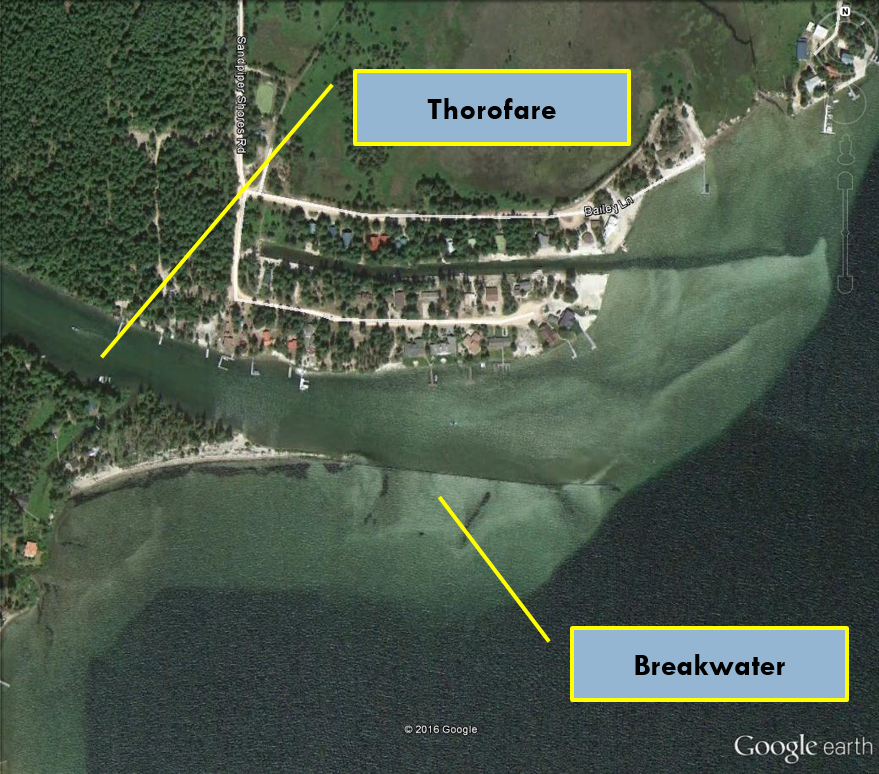
  • Replace the current existing porous breakwater with an impervious sediment retention feature and dredging a portion of the Thororfare channel.

Project Phase 2: Preliminary Engineering & Design

The work of Phase 2 is a continuation of the work, conclusions, and recommendations outlined in the Phase 1 report. Phase  2 project goals include managing lake levels (maintaining a three-foot level at the USGS outlet gage during the recreational season and developing lake level operational strategies during dry and low water years), maintaining minimum flow requirements downstream of the outlet dam, and providing sustainability for the Thorofare (promoting self sustaining improvements to improve Thorofare access, navigability). Phase 2 for preliminary engineering design of the Outlet Thorofare and the Priest Lake Outlet Dam was completed in 2019.

Project Phase 3: Engineering Design & Preparation of Construction Documents

The work of Phase 3 was a continuation of previous phases with the intent of performing final engineering design and preparation of construction documents for a contractor to construct the needed improvements.  Construction documents for both the Outlet Thorofare and the Priest Lake Outlet Dam were completed in 2020.

Project Phase 4: Construction Improvements

The work of Phase 4 includes the construction of both the Outlet Thorofare and the Priest Lake Outlet Dam.  The Outlet Thorofare was successfully completed during the 2020/2021 winter and accomplished the project goal of creating an impervious sediment retention feature for the breakwater structure and dredging of the silted-in channel.

Construction of the Priest Lake Outlet Dam begin in November 2020 and was partially completed.  Outle Dam improvements successfully completed included extension of the dam gate height six inches.  Other aspects of the Outlet Dam were partially completed including concrete and armor stone apron extensions.  Challenges during construction led to severing the construction contract between IWRB and the contractor.

Construction documents have been updated to reflect current dam conditions and the IWRB intends to bid for the construction improvements to the Priest Lake Outlet Dam.  Construction to finish the Outlet Dam improvements is anticipated during winter of 2023/2024.

Brief History

Priest Lake is located on the Priest River in the northern Idaho panhandle. It is a significant draw for tourism and recreation in the area—adding to the economic impact of Bonner County. The area is known for the pristine variety of wildlife, clear and clean water, and recreational fishing opportunities.

In 2015, limited water supply and drought conditions in northern Idaho made maintaining the required summer lake level and downstream flow in the river very difficult. This situation, coupled with concerns about the breakwater structure and Thorofare access issues, increased interest in developing both operational and engineered improvements to the entire system.

In response to area stakeholders’ concerns, the IWRB authorized funding to perform an evaluation of strategies and options that could meet the long-term water management solutions for the Priest Lake and Priest River system.

Your feedback and participation is integral to this project. Please submit your questions and comments to the Priest Lake Project Team for review and consideration while the team prepares the study, evaluates the alternatives, and develops the recommendations.

What is the purpose and objective?

  • Preserving lake levels through the main recreation season to support the local economy, meet current lake level requirements, and avoid negative impacts to downstream river flows.

  • Maintaining vessel access through the Thorofare channel between Upper Priest Lake and Priest Lake.

What does the study include?
The Priest Lake Water Management Study (initiated by IWRB) evaluates opportunities to improve operation of the Priest Lake / Priest River system. It includes:

  • Evaluating alternatives to maintain recreational lake levels and the 60 cfs minimum discharge downstream of the Priest Lake Outlet Dam.

  • Assessing potential structural and operational modifications to the dam.

  • Analyzing options to improve access and navigable conditions in the Thorofare.

Where is the study area?
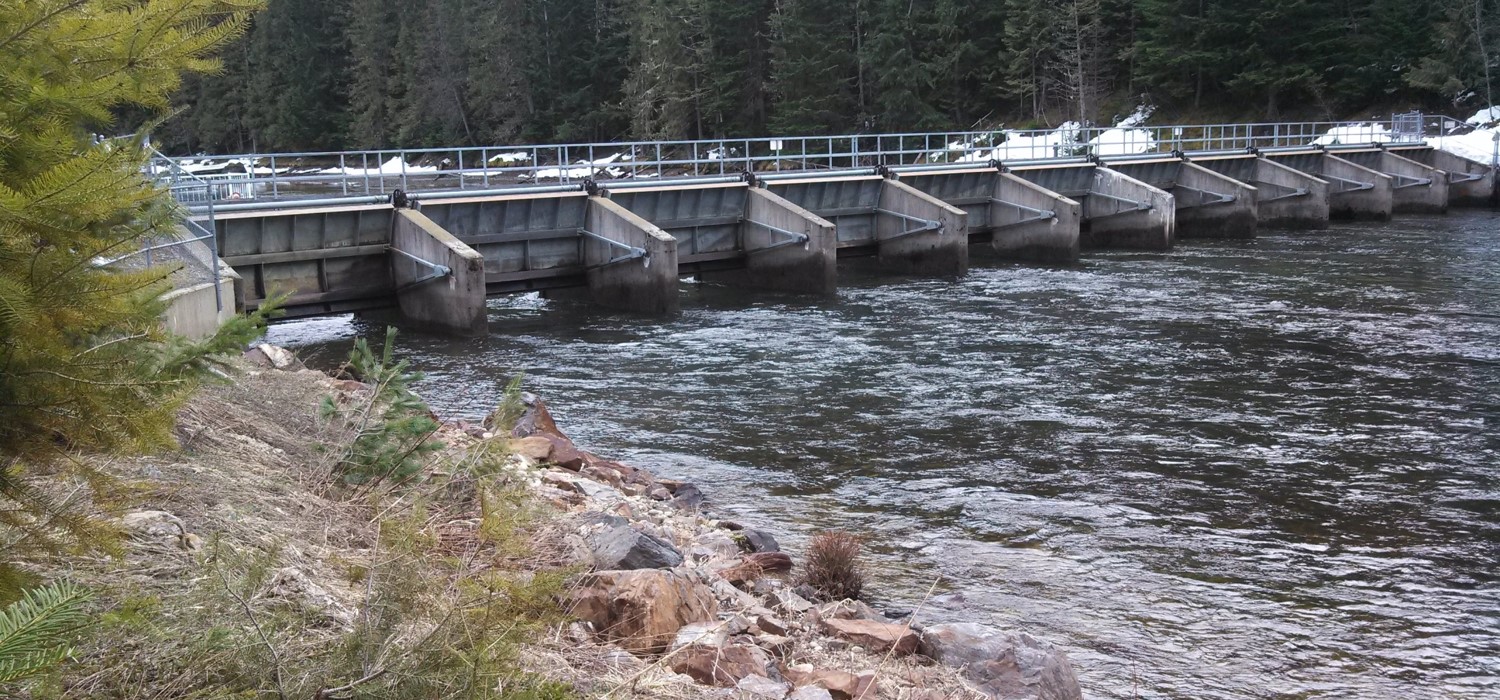
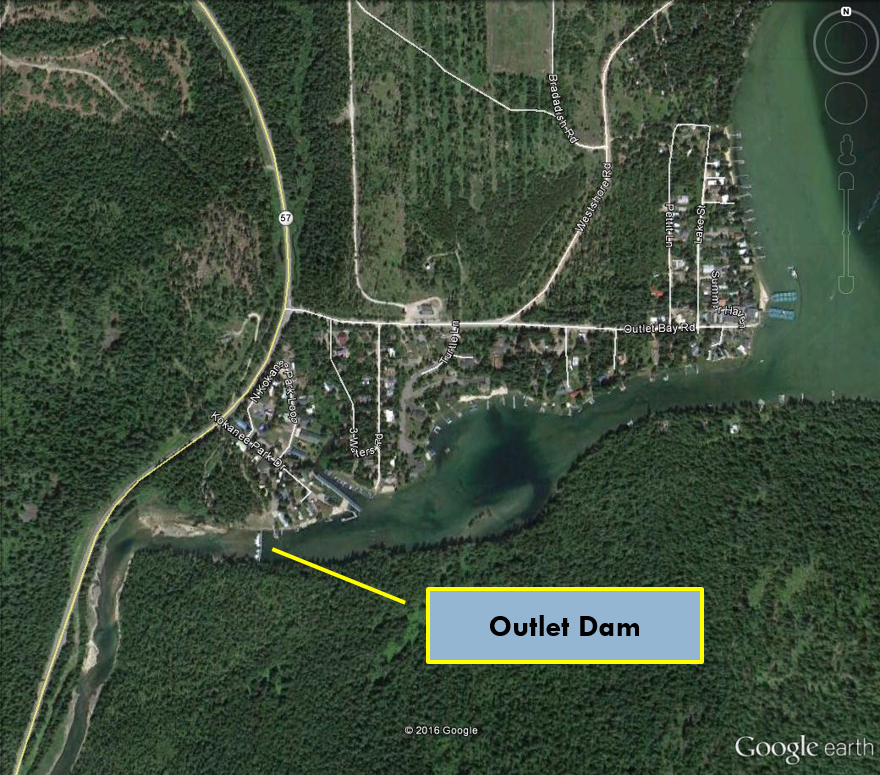
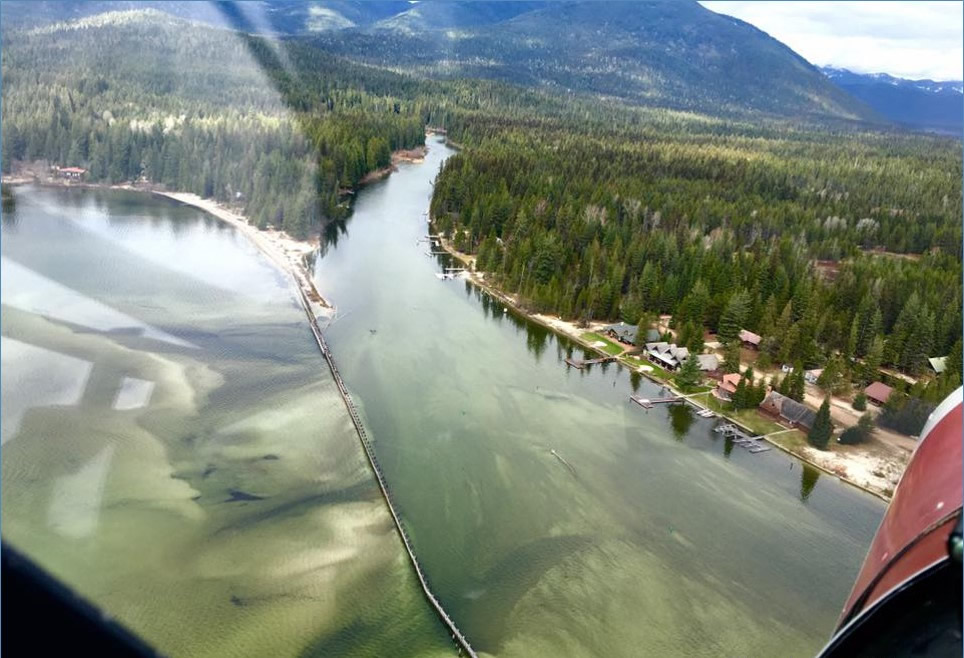
Priest Lake (~18 miles long, >300 ft deep, ~76,000 acre-ft active storage) connects to Upper Priest Lake (~3.3 miles long) via the three-mile “Thorofare.” A 1,400-ft timber breakwater at the lake’s north end manages sediment and provides wave/erosion protection. The Priest Lake Outlet Dam (constructed 1950; current dam from 1978, owned by IDWR) maintains lake levels and manages Priest River flows; it’s ~12 ft high with gated discharge and no emergency spillway.
See the printable map and photos: Map & Images and the study map PDF.

How can I get involved with the study?
IWRB provides ongoing opportunities (over ~10 months) for stakeholders to respond and comment on options. Check the project site for meeting dates, public comment opportunities, and updates, and contact the Project Team with questions.

Can I print a fact sheet about this project?
Yes—download the fact sheet: Priest Lake Water Management Study Fact Sheet (PDF).

What is the background and state law establishing the 60 cfs minimum discharge from the Priest Lake Outlet Dam?
When the dam was built in 1950, the State of Idaho and Northern Lights, Inc. executed an O&M agreement setting a 60 cfs minimum discharge during the recreation season. IDWR has operated the dam to meet this minimum since then.

What is the background on the statutory water rights at Priest Lake?
In 1927, Water Right License No. 16642 (amended to Water Right 97-2020) was issued to the State of Idaho for preserving water in Priest Lake for scenic beauty, health, and recreation (“Recreation Storage,” 800,000 acre-ft) to maintain levels not above normal high water nor below natural low water. Under Idaho Code §70-507, operations target 3.0 ft at the Priest Lake outlet gage (USGS 12393000) for recreation.

How will the Priest Lake Water Management Study relate to a lake operations plan?
The study evaluates conceptual alternatives to:

  • Preserve lake levels through the recreation season (while avoiding negative downstream impacts).

  • Maintain vessel access through the Thorofare.
    After selecting a preferred alternative, IDWR—coordinating with IWRB and stakeholders—will develop a detailed lake operations plan.

Will the study determine procedures, conditions, and criteria for implementing a drought water year contingency plan, and who will make those decisions?
No. A detailed Lake Operations Plan is outside the current study scope. After IWRB selects a preferred conceptual alternative, IDWR will develop the detailed plan in coordination with IWRB and stakeholders.

Is the cold-water-siphon concept part of the Priest Lake Water Management Study?
No. Any action regarding a cold-water siphon would occur after the study is completed.

Priest Lake Outlet Dam
Priest Lake Outlet Dam (satellite view)
Priest Lake Thorofare, Courtesy of Sara K. Williams
Priest Lake Thorofare, Courtesy of Sara K. Williams
Priest Lake Thorofare and Breakwater Structure (satellite view)
DateTimeEventLocationMaterials
August 13, 20196:00 pmIDL Public Hearing for Breakwater ProjectPriest Lake
Priest Lake Junior High School
1020 US-2

Phase 4 Schedule: Construction Improvements

     Outlet Thorofare
  • Construction Complete – Spring 2020
     Outlet Dam
  •  Phase 1 Construction – Winter 2020/2021 & Winter 2021/2022
  •  Phase 2 Construction – Anticipated to begin November 2023

Phase 3 Schedule: Engineering Design & Preparation of Construction Documents

  • Construction documents completed summer 2020

Phase 2 Schedule: Preliminary Engineering & Design

Task Description Timeframe
1 Data Collection

  • Kickoff Meeting
  • Existing & New Data Collection
  • Site Assessments — dam, wetlands, erosion areas on lake, Thorofare
  • Design Recommendations — refinement of recommendations from Phase 1 and any new information gathered that could affect the scope of preliminary design
  • Basis of Design — refinement and update from Phase 1
  • Steering Committee Meeting #1 — late August
July to August, 2018
2 Preliminary Engineering Design

  • Regulator Agency & Stakeholder Engagement
  • Steering Committee Meeting #2 — November 2018
  • Public Meeting/Open House — late September 2018
  • Permitting Level Plans — draft March; final April
  • Updated Construction Cost Estimates — draft April
  • Dam Improvements & Dam Safety Report Submittal — includes discipline reports (geotechnical, structural, hydraulic, and so forth) — March
September 2018 to May 2019
3 Regulatory Permitting

  • Consultation with Agencies regarding proposed concepts — September 2018
  • Permit Application Documents — initiate development of documents starting in September and working through Spring 2019
  • Permit Application Submission — Spring 2019
August 2018 to October 2019
4 Public/Stakeholder Involvement

  • Steering Committee Meeting #1 — late August 2018 (in person)
  • Steering Committee Meeting #2 — mid-September 2018 (telecon)
  • Public Meeting/Open House — late September 2018 (in person, Priest Lake)
  • Steering Committee Meeting #3 — October 2018
  • Steering Committee Meeting #4 — November 2018
  • Steering Committee Meeting #5 — July 2019
Ongoing with large emphasis during the preliminary design and permitting tasks.

Phase 1 Schedule: Study

Task Description Timeframe
1 Study Work Plan & Public Outreach Plan Development, Data Collection, Criteria Development March 1 to mid-May, 2017
2 Analysis of Existing Conditions April to mid-June, 2017
3 Alternatives Development & Evaluation Mid-June to September, 2017
4 Finalization of Study & Reporting September to February, 2018
ver: 4.1.8 | last updated: