Water right changes made under the provisions of a drought declaration expire at the end of the current year unless extended or terminated by the IDWR Director.
Priest Lake, Upper Priest Lake, and the Priest River lie in the northern Idaho panhandle. The lower lake stretches to within 15 miles of the Canada-US border and reaches nearly 370 feet at its deepest point. All three bodies of water draw significant tourism and recreation in the Bonner County area due to an abundance of opportunities for outdoor activities, such as camping, fishing, boating, and more.
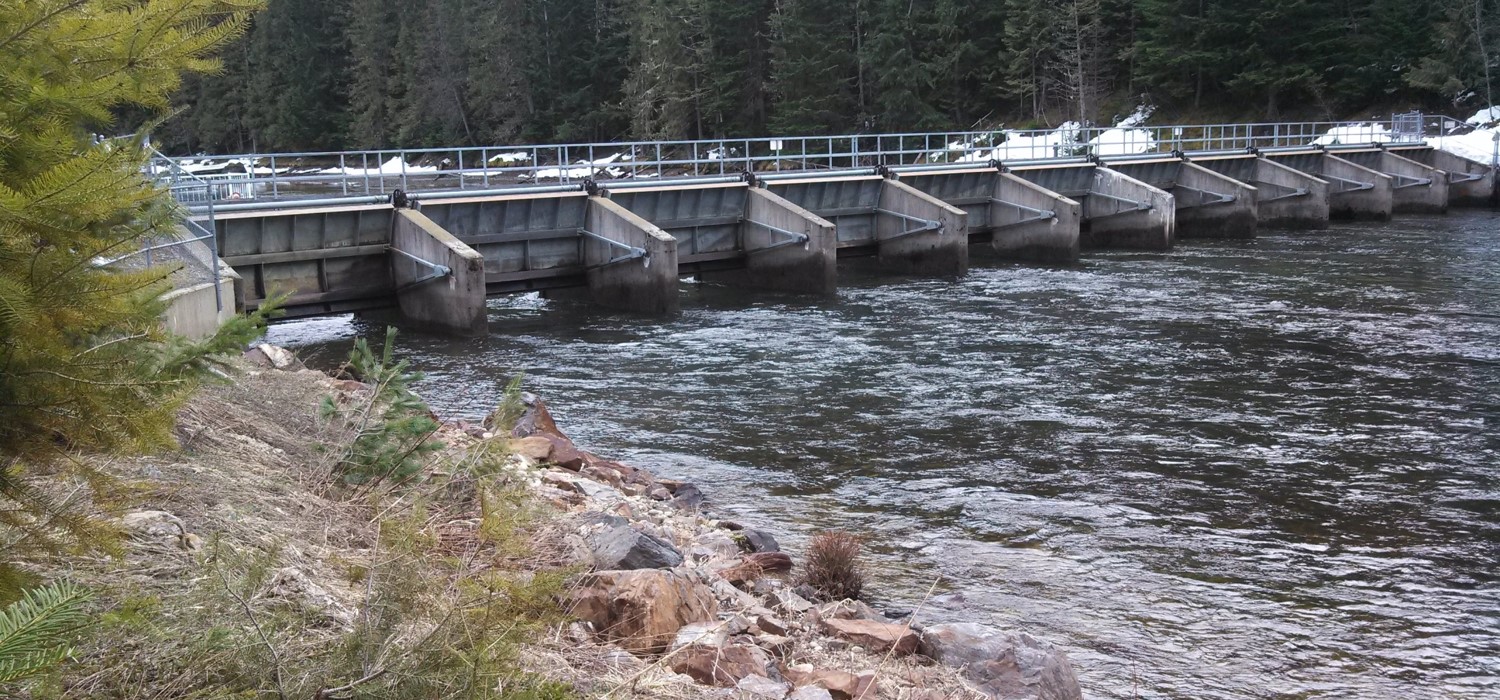
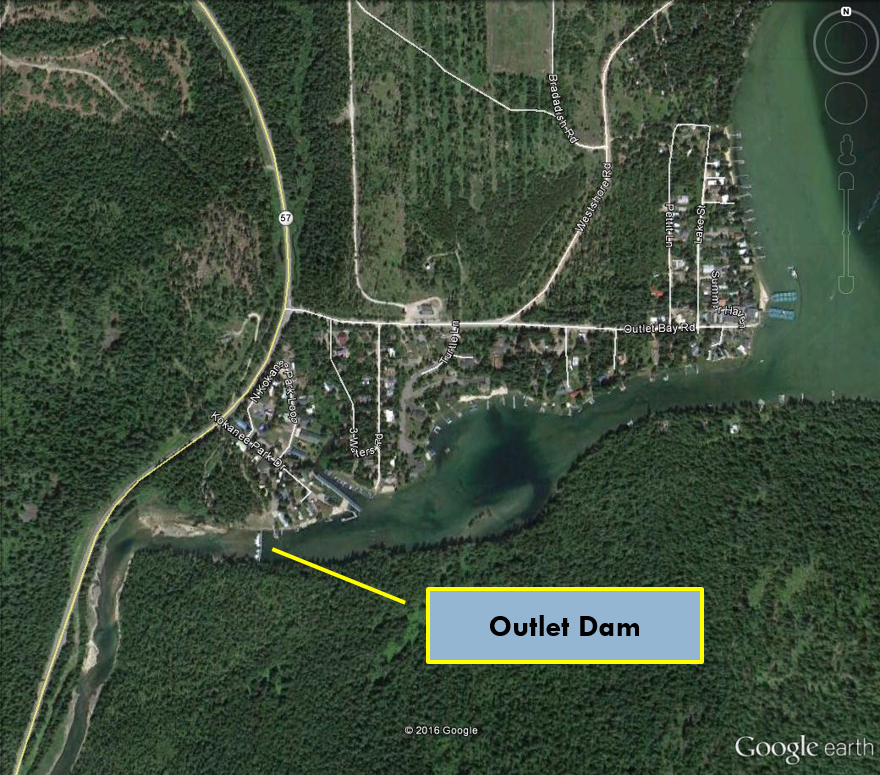
The Idaho Water Resource Board currently owns and operates the Priest Lake Outlet Dam, which is located on the southern tip of Priest Lake. It was built in 1978 and controls the flow of water from Priest Lake into the Priest River. The dam was originally built by the Idaho Department of Water Resources, but 2017 legislature transferred supervision and operational control of the dam to the Idaho Water Resource Board.
Recent construction included an extension to the gates, the addition of an extended concrete apron, and armor stone (riprap). These modifications allow the lake to be raised an additional 6 inches to allow better control of lake levels while simultaneously enabling more water to flow into the Priest River during drought years. The new concrete apron and armor stone provide additional safety measures by increasing frictional resistance and ensuring that the dam is locked in place. This work was completed in 2024.
Current Projects
Piezometer Monitoring Procedure
Monitoring the piezometers, which are pressure sensors located underneath the original dam apron, is critical to prevent damage to the dam. A 20-foot sheet pile wall installed beneath the dam is intended to prevent the flow of water under the dam, thereby preventing lakeside water pressure from exerting an upward force on the dam foundation. Being fabricated from steel, the sheet pile wall is likely to corrode and eventually will no longer be able to prevent lakeside water flowing beneath the dam, which would cause extensive damage to the dam. The piezometers must be monitored for spikes in subsurface pressure, as this would be indicative of a failing sheet pile wall. This will be an evolving and continuous process.
Tributary Flow Measurement
Currently, dam operations are reactionary to precipitation events or changes in inflow to Priest Lake. This can lead to inefficient operation (outflow too fast, outflow too slow, pool elevation too high, pool elevation too low, etc.) and stakeholder complaints. To combat this and operate the dam per best practices, IDWR plans to install and monitor instrumentation at twelve sites: eleven of the highest flow upstream tributaries and one at the dam itself. Analyzing inflow data will enable IDWR staff to improve daily operations and decrease the amount of time to respond to fluctuating conditions within the basin. This process will begin in the spring of 2026.
Buoys
IWRB is currently working to replace the two buoys that lie upstream of the Priest Lake Outlet Dam. The old buoys are leaking, faded, and beyond their usable lifespan. They will be replaced during the summer of 2026 with similar buoys. This will increase safety and deter recreation near the dam.
Notice: do NOT recreate near the dam. It is very dangerous. There is a high risk of drowning.
Fish Screens
Fish screens will be installed on the downstream side of the Tainter gates. This will reduce the possibility of fish getting caught on the gate as they travel upstream. IDWR is currently analyzing solutions, and a prototype has been installed.
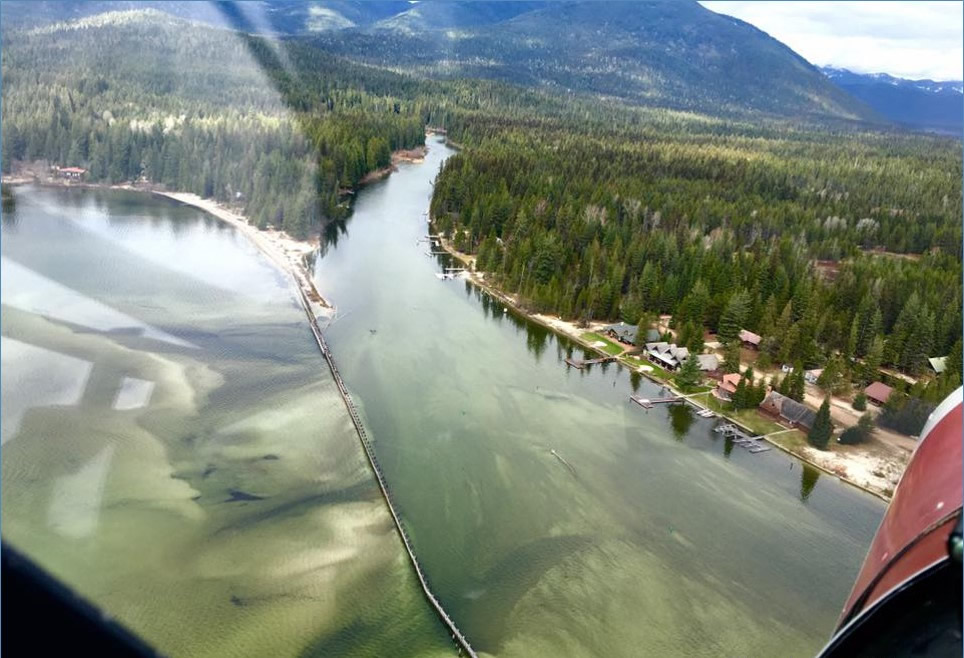
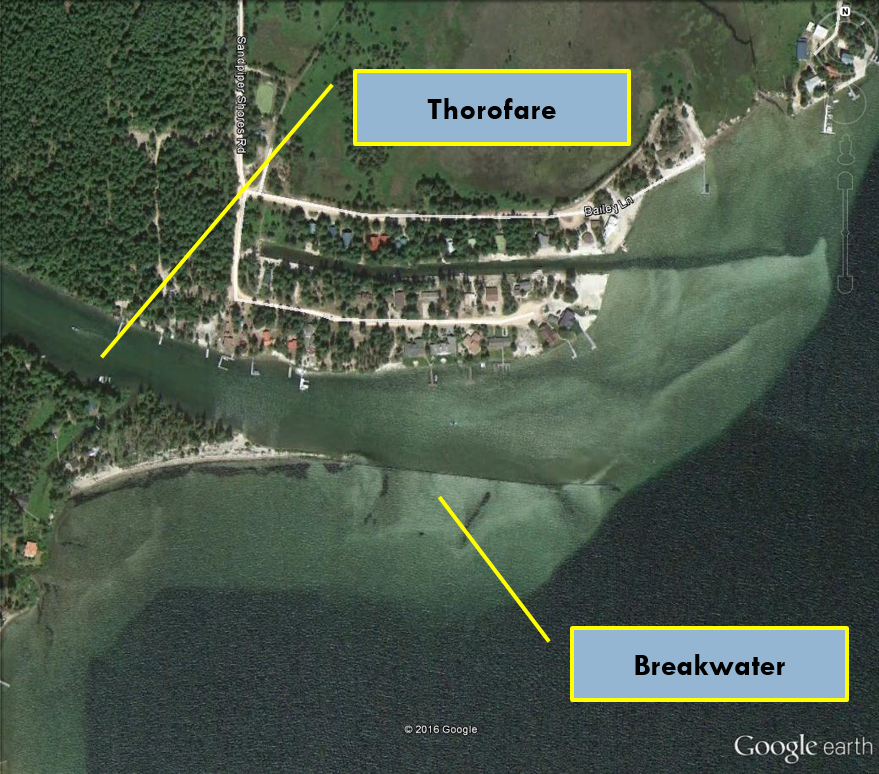
Priest Lake Outlet DamPriest Lake Outlet Dam (satellite view)Priest Lake Thorofare, Courtesy of Sara K. WilliamsPriest Lake Thorofare and Breakwater Structure (satellite view)
 Official Government Website